

Effective Ways to Address Patio Surface Issues
Uneven patios can be a real headache, posing both aesthetic and safety concerns. An uneven surface on your patio not only looks unattractive but also increases the risk of trips and falls. To address this issue effectively, it’s essential to explore the right methods that provide long-lasting results. In this guide, we will look into various techniques and practices that make your patio safe and visually appealing. Our focus is on offering practical solutions tailored to meet diverse needs while considering factors like cost, durability, and ease of implementation.
The Importance of a Level Patio Surface
A level patio surface provides both functionality and beauty to your outdoor space. It ensures smooth drainage, preventing water pooling that could lead to mold or structural damage. A flat surface allows for easy movement of furniture and safe walking, enhancing the overall usability of your patio. Moreover, a well-leveled patio boosts your home’s curb appeal, potentially increasing property value.
Common Causes of Uneven Patios
Understanding why patios become uneven helps in choosing the right corrective measures. Several factors contribute to this issue:
- Poor initial construction or settling of the foundation
- Tree roots growing underneath the patio
- Soil erosion due to poor drainage
- Weather conditions affecting the material integrity
Concrete Leveling Techniques: the Basics
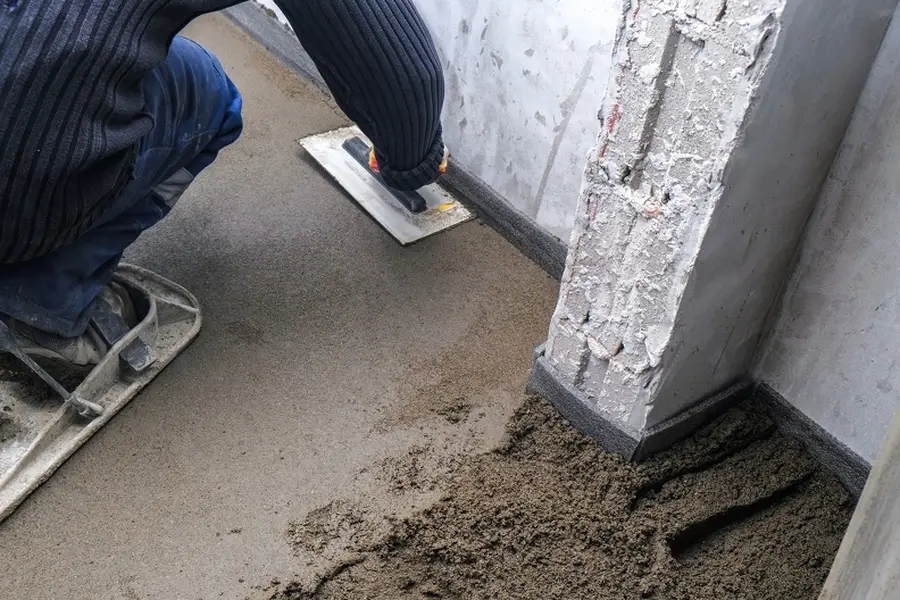
One effective method for addressing uneven patios is concrete leveling. This process involves lifting and stabilizing sunken concrete slabs using specialized equipment and materials. By doing so, you restore the patio’s original height and eliminate any hazardous gaps or slopes. Concrete leveling offers a fast and efficient solution compared to replacing the entire surface.
How Concrete Leveling Works
The process begins with drilling small holes into the affected areas of the concrete slab. A mixture is then injected through these holes to fill voids beneath, raising the slab back to its desired level. The result is a stable and even surface that’s ready for use shortly after treatment. Concrete leveling is particularly advantageous as it requires minimal downtime, allowing you to enjoy your patio soon after repair.
Alternative Methods for Fixing Uneven Patios
If concrete leveling isn’t suitable for your situation, other methods can achieve similar results:
- Mudjacking: A traditional technique that uses a slurry mixture to lift concrete surfaces.
- Slab Replacement: Removing and repouring sections of damaged patio for severe issues.
- Paver Adjustment: Lifting and releveling individual pavers without total replacement.
These options each have their advantages based on specific circumstances such as budget constraints or underlying issues.
Factors Influencing Cost
The cost of fixing an uneven patio varies depending on several elements:
- The extent of damage needing repair
- The chosen method (e.g., mudjacking vs. concrete leveling)
- Material availability in your area
- Labor rates charged by professionals
Investing in a reliable fix can ultimately save more money over time by avoiding frequent repairs or potential accidents caused by an uneven surface.
Your Path to a Safer, More Attractive Patio
An uneven patio doesn’t have to be a permanent blemish on your home’s exterior. By considering professional solutions such as concrete leveling or alternative methods, you ensure a safer and more beautiful outdoor space. Contact Jova's Trucking at (623) 755-6644 today for expert advice and service. Located in Glendale, AZ, we’re committed to transforming your patio into a functional and pleasing environment.