

Understanding How Weather Impacts Decorative Concrete Surfaces
Concrete surfaces are known for their durability and strength. But, like all materials, they aren’t immune to the effects of weather. As temperatures rise and fall, concrete can expand and contract. This movement may cause cracks or surface damage if not properly managed. In regions with significant weather fluctuations, it’s crucial to consider how these changes affect concrete installations. You might wonder how decorative techniques, such as stamping, stand up against these challenges.

The Benefits of Using Decorative Techniques
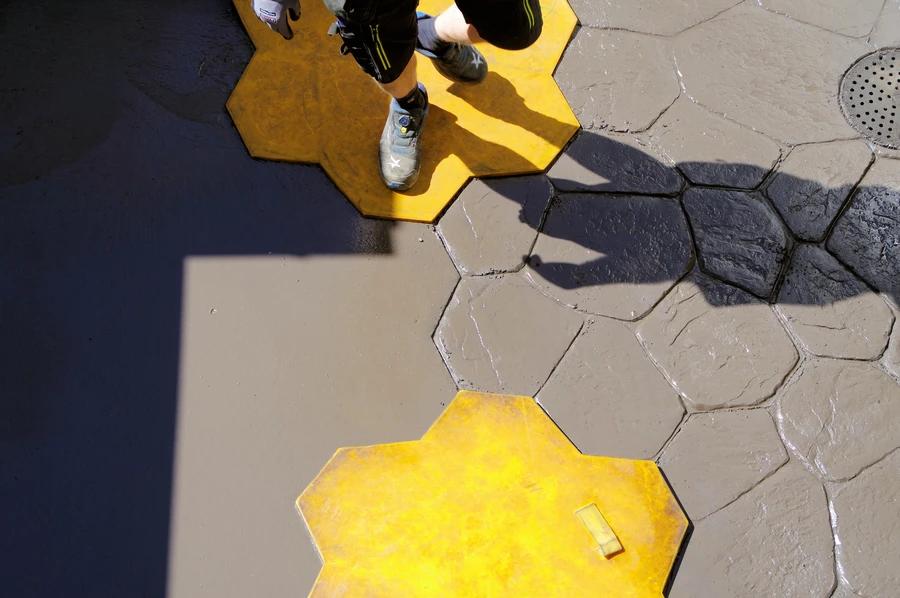
One way to address concerns about weather impacts is through the use of decorative techniques. Concrete stamping offers both aesthetic appeal and functionality. The process involves imprinting patterns into freshly poured concrete, giving it the appearance of stone, brick, or tile. These designs offer more than just visual interest. They enhance the surface’s ability to withstand changing conditions by minimizing visible wear and tear over time.
Weather Challenges Facing Concrete Installations
Weather-related issues in concrete installations are a common concern. Rain, snow, and temperature shifts can lead to problems like cracking or discoloration. When water enters small cracks in the concrete and freezes, it expands and causes further damage. Over time, this cycle can severely compromise the integrity of your installation. Therefore, addressing these challenges early is essential for maintaining long-term quality.
Enhancing Durability Through Design
Concrete stamping plays a pivotal role in reinforcing surfaces against environmental stressors. By creating textured finishes, this technique effectively reduces slip hazards during wet or icy conditions. Additionally, stamped surfaces often incorporate sealants that protect against moisture penetration. As a result, they are less prone to damage from freezing and thawing cycles commonly experienced in colder climates.
Best Practices for Installation Success
To ensure success with decorative techniques like stamping, follow some key best practices. First, choose a high-quality concrete mix designed for specific weather conditions in your area. Next, work with experienced professionals who understand local climate demands. Finally, invest in routine maintenance checks to quickly identify any developing issues before they become major concerns. Such proactive steps help extend the lifespan of your installation significantly.
Industry Guidelines for Quality Assurance
Adhering to industry standards ensures that your project meets quality benchmarks that satisfy both functionality and aesthetics requirements. Guidelines often recommend using additives that improve resilience against frost heaving and erosion. Furthermore, selecting appropriate color hardeners aids in preventing UV ray damage while maintaining vibrant hues over time.
Cost Factors to Consider
Budgeting plays an important role when planning any construction project involving decorative techniques like stamping. While initial costs may be higher compared to traditional methods due to intricacies involved with design application processes, you should weigh these against potential savings on repairs down the line thanks to enhanced durability features offered by stamped solutions.
Conclusion: Making Informed Choices
As you navigate options for improving outdoor spaces through decorative methods, remember that understanding how your choices interact with environmental factors is vital. Working closely alongside trusted experts helps uncover opportunities for optimizing results tailored specifically towards achieving beautiful yet resilient outcomes regardless of geographical location constraints faced along different projects.
Your Partner With Expertise in Decorative Solutions
Located in Glendale, AZ, we specialize in providing top-notch decorative solutions suitable for any weather condition. Our team at Jova's Trucking is ready to assist you with your next project. Reach us at (623) 755-6644 today to discuss how our innovative approaches set us apart within the industry landscape.