

Understanding the Impact of Weather on Your Schedule
The weather can have a significant effect on many aspects of our lives, and this includes construction projects. When planning for concrete delivery, it’s important to understand how different weather conditions impact the process. From delays caused by rain to temperature effects on setting time, being aware of these factors helps in ensuring timely project completion. Proper planning can help mitigate risks associated with weather-related disruptions.
The Importance of Considering Temperature
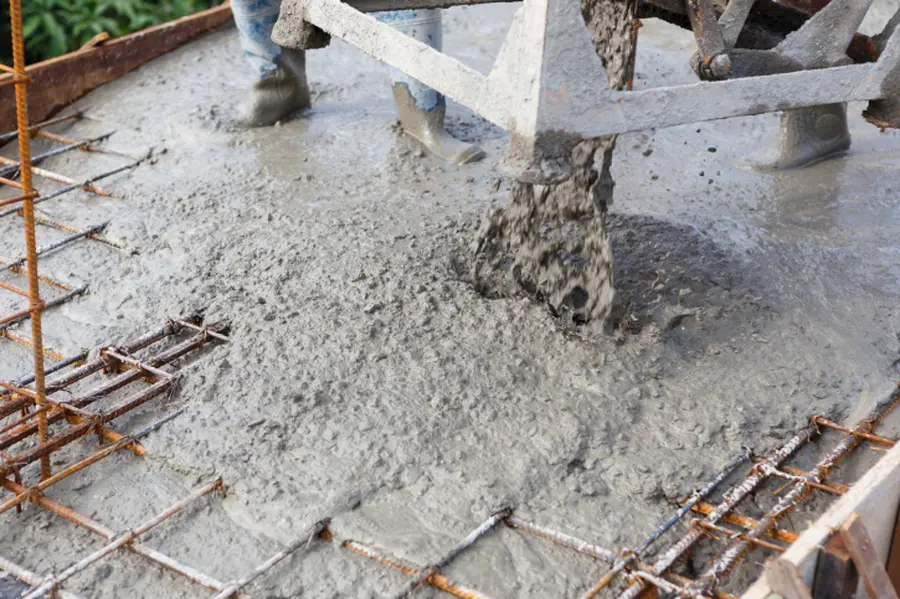
Temperature plays a crucial role in concrete delivery. High temperatures speed up the drying process, which might lead to cracks or weak spots if not managed properly. On the other hand, cold temperatures slow down the curing process, potentially leading to delays. It’s essential to plan your schedule around predicted temperature patterns to maintain quality and efficiency.
The Role of Humidity in Curing
Humidity levels influence the rate at which concrete cures. High humidity can trap moisture within the mix, slowing down the curing process, while low humidity might cause rapid evaporation, leading to surface cracking. To ensure successful concrete delivery, monitoring humidity levels and adjusting strategies accordingly is key.
Rainy Day Challenges
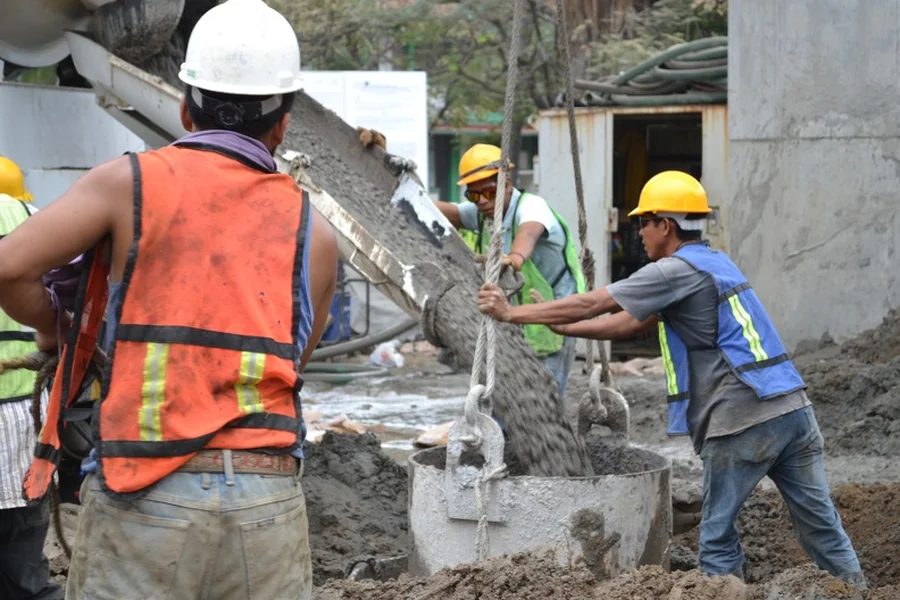
Rain can pose significant challenges during concrete delivery. Wet surfaces can compromise the bond between the ground and the concrete, making it difficult for it to set properly. Additionally, water added from rain can alter the mix’s ratio, impacting its strength and durability. It’s advisable to check weather forecasts and reschedule deliveries during heavy rains whenever possible.
Wind: an Overlooked Factor
Strong winds often get overlooked but can also affect concrete delivery. Wind speeds can increase evaporation rates, leading to premature drying and surface cracking. It is vital to shield newly poured concrete from strong winds using windbreaks or barriers to protect its integrity during the critical curing phase.
Planning for Seasonal Changes
Each season brings unique weather challenges that affect your concrete plans. For instance, summer heat requires precautions against rapid drying, whereas winter needs measures to prevent freezing. Adapting your strategy according to seasonal changes ensures consistent quality and minimizes setbacks in your construction timeline.
Best Practices for Weather Planning
- Regularly monitor weather forecasts to anticipate potential disruptions.
- Prepare contingency plans for unexpected weather events.
- Use protective covers to shield concrete from extreme conditions.
- Consider additives that adjust curing times based on weather.
- Partner with experienced professionals who understand local weather impacts.
Cost Implications of Weather Delays
Weather-related delays can lead to increased costs due to extended labor hours and additional materials needed to rectify issues. Planning ahead and factoring in potential weather disruptions into your budget can save money and avoid stress. Communicate with suppliers about flexible scheduling options to mitigate financial impacts when unforeseen delays occur.
Expert Recommendations for Success
To ensure success in concrete delivery despite weather challenges, it’s recommended to work with experts who have experience dealing with diverse weather conditions. They can offer valuable insights and tailored solutions that align with your specific project needs. Leveraging their knowledge will help you navigate obstacles more efficiently and achieve desired results.
Connect With Our Team Today
Your project deserves careful attention to detail and proactive planning to handle any weather surprises. Located in Glendale, AZ, we provide expert services designed to support your construction needs every step of the way. Contact Jova's Trucking at (623) 755-6644 for professional guidance and reliable solutions that keep your project on track.